
Scientists Pioneer Ancient Secrets of Cycad Pollination to Protect Global Food Security
On the island of Guam, scientists are studying something far older than the island itself. They are chasing clues left behind by plants that existed when dinosaurs ruled the land. These clues live inside cycads, tough survivors that predate flowering plants by millions of years.
This research is not about dusty fossils or theory trapped in textbooks. It is about how plants and insects work together to survive. These partnerships still feed the world today. By learning how ancient pollination systems functioned, scientists are finding smarter ways to protect crops, ecosystems, and food supplies under growing stress.
Guam’s Cycad is at the Center of the Breakthrough
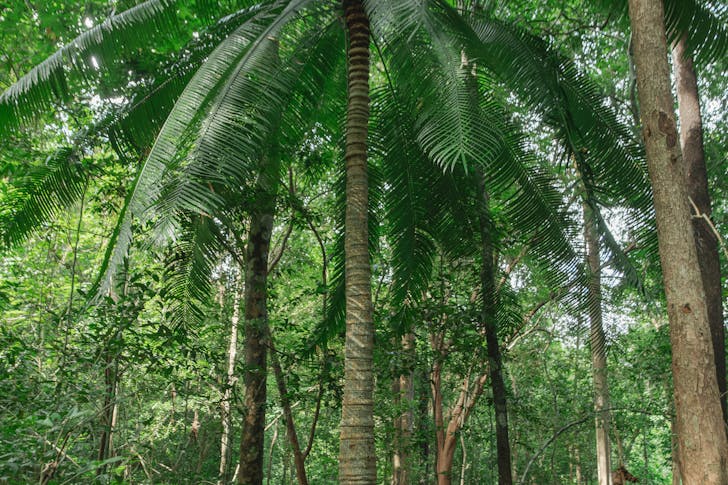
Hoang / Pexels / Guam’s native cycad, known locally as fadang and scientifically as Cycas micronesica, is among the oldest seed plants on Earth.
Fossils show they relied on insects for pollination more than 200 million years ago. That makes them living time capsules, still practicing ancient strategies in a modern world.
What shocked researchers was how active these plants are. Cycad cones do not wait for insects to wander by. They control them. Male cones heat up, release sharp bursts of scent, and even spike carbon dioxide levels. These signals overwhelm pollinators and force them to leave, coated in pollen and ready to visit female cones nearby.
Scientists also discovered rapid jumps in humidity that make the cones uncomfortable places to linger. Even infrared light plays a role, cutting through wind and darkness to guide insects in. It is a full-body message system, fine-tuned over millions of years.
Much of this research flows through the University of Guam, which has become a quiet leader in cycad science. Findings from Guam now help explain cycad pollination in Asia, Australia, and Africa. The lesson is simple and sharp. Save the plant, or save the insect, and you fail. Both must survive together.
The Scientists Behind the Breakthroughs
Several scientists connected to Guam pushed this field forward with bold experiments and sharp thinking. Irene Terry led early work that proved cycad cones actively manage pollinator behavior. Her research showed that scent and heat are not side effects. They are tools, used with precision.
Working alongside her, Robert Roemer helped reveal how sudden humidity changes act as a clear eviction notice for insects. Stay too long, and conditions turn hostile. Leave on time, and the partnership continues.
Genetic insight came from Anjelica Cibrián-Jaramillo, who showed that moving cycads between habitats can quietly damage their future. Mixing genes from different environments weakens natural adaptations. Her work warned conservationists to slow down and think long-term.
DNA loss became a major focus for Michael Calonje. By tracking genetic diversity, he helped measure how much resilience Guam’s cycads have already lost. He also co-authored recent findings on infrared signals, proving these plants still hold surprises.
Benjamin Deloso highlighted the oddity of Guam’s pollinator. Unlike the beetles seen elsewhere, Guam relies on a small brown moth. Easy to miss, easy to lose, and absolutely essential.
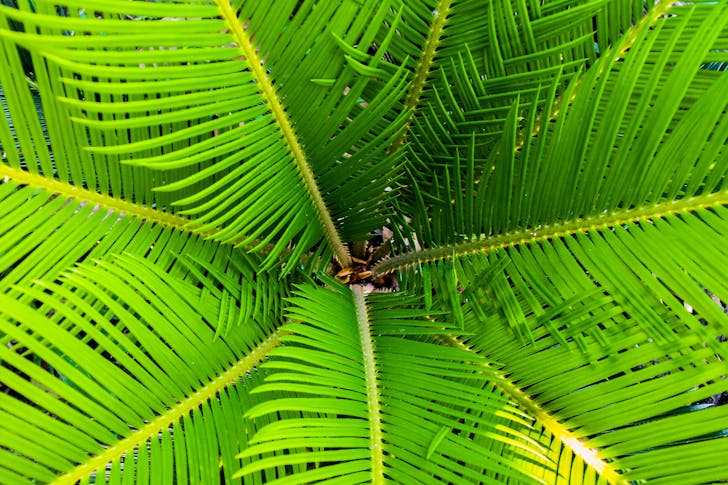
Pixabay / Pexels / The focus on ancient plants has sparked fresh work on modern pollinators. Guam-based scientists are now mapping how today’s insects support local ecosystems and food crops.
In 2024, a landmark study analyzed pollen collected by honeybees across the island.
Led by graduate researcher Jonae Sayama, the study identified pollen from at least 139 plant species. That diversity surprised many. It showed Guam’s bees are adaptable, but also dependent on specific plants thriving year-round.
One plant stood out. River tamarind, known locally as tångantångan, accounted for more than 14 percent of the pollen samples. That data gives beekeepers a clear direction. Protect key plants, and you protect the bees. Ignore them, and the system weakens fast.
More in Cutting Edge
More From HealthyGeorge
-

-
 How Mindfulness Boosts Memory and Future Planning Skills
A small shift in daily habits can influence how well the brain keeps track of future plans. Recent findings suggest that...
Life HacksApril 30, 2026 -
 Inside the Bel-Air Jewel Heist That Rocked Kathy Hilton and “RHOBH” CastCulture & FunApril 25, 2026
 -
 Gen Z’s Viral “Rawdogging Boredom” Trend May Help Fix Their Attention Span
A strange trend is taking over TikTok. Gen Z creators are filming themselves sitting in silence, doing absolutely nothing for minutes...
Life HacksApril 3, 2026 -
 These Cutting-Edge Depression Treatments Are Finally Addressing Women’s Mental Health CrisisCutting EdgeMarch 28, 2026
You must be logged in to post a comment Login